

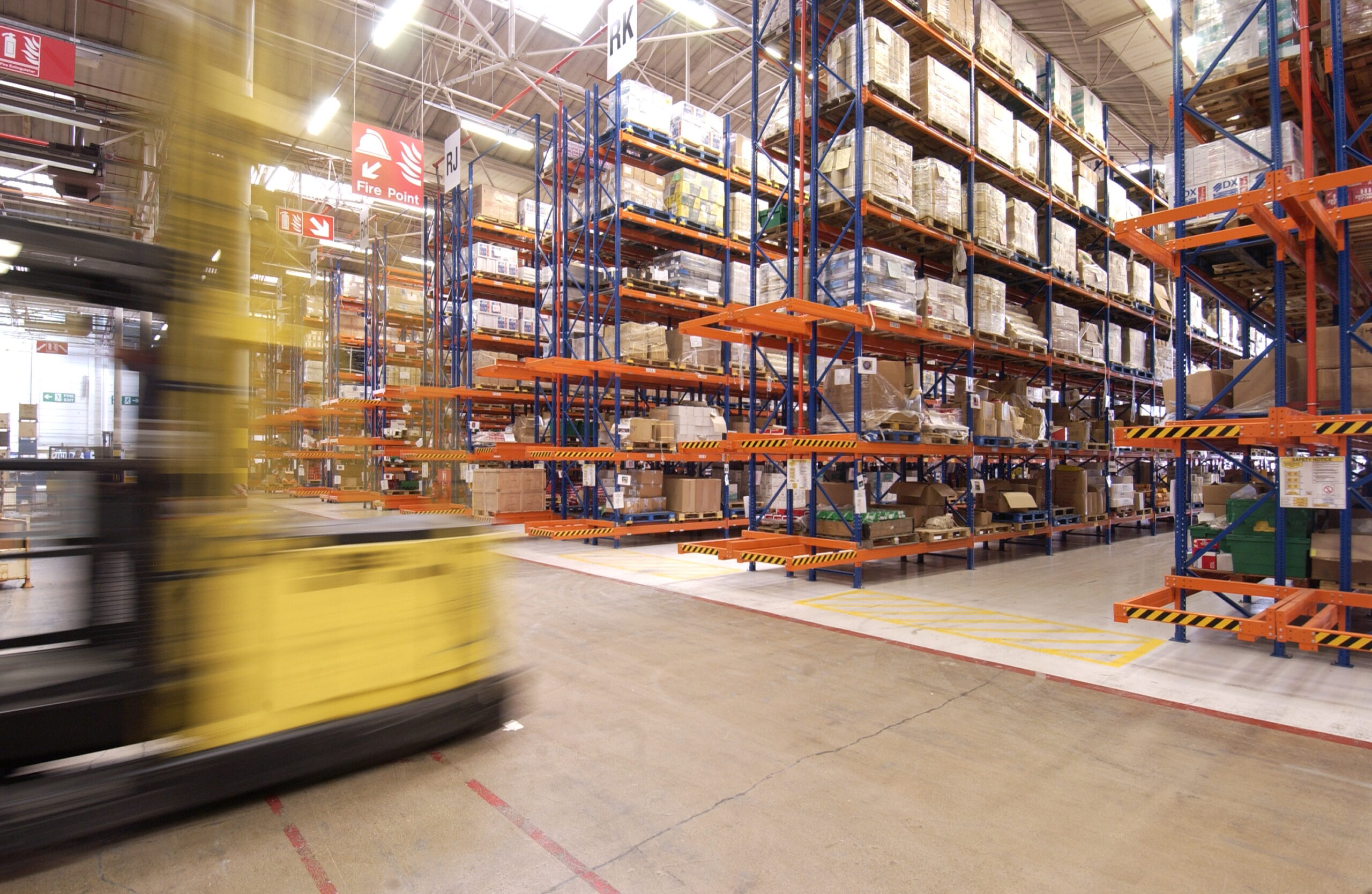
In the world of logistics, racking is an essential part of your business. A bespoke system designed for your facility can keep operations running smoothly, maximise your storage capacity, reduce costs and keep your workplace safe, SEMA.
But do you know how to achieve this while also ensuring you meet your legal requirements?
As the leading voice within the storage equipment industry, here are four important questions SEMA recommends answering.
- Who is responsible for racking safety?
Managing your racking might seem like a supplier’s job but, in reality, as the business owner or manager, you are also responsible for keeping the equipment safe. This isn’t a ‘nice to have’. It is a legal requirement.
Your storage equipment is an engineered structure that must adhere to industry requirements throughout its lifetime to ensure it continues to function correctly. If an accident occurs with your racking, the Health & Safety Executive (HSE) will investigate whether your business followed the correct procedures during the supply, installation, and maintenance of the equipment.
- How do I find a reliable supplier?
As the client, you are responsible for checking suppliers meet key requirements. Does their work meet industry standards, have they got the correct insurance, what Health & Safety measures do they follow, are they using trained installers, do they control product quality?
You can save time by working with suppliers whose work verified independently. For example, any company applying to become a SEMA Member must undergo an audit to confirm its work meets the highest industry standards and has the correct legal and insurance documentation in place.
- How important is the installation of my racking?
Once designed, racking needs an installation team that can accurately install the structure according to the supplier’s drawings. It only takes an incorrectly installed part to reduce its load-bearing capacity.
The problem is, some suppliers subcontract the installation work, leaving you exposed with no assurances of quality.
You can protect your racking by checking the installation team has received industry training, such as the SEIRS scheme. An installer holding a SEIRS Diploma card will have been trained on relevant health and safety requirements for the job and practical instruction on correct installation methods.
- How often should I inspect the racking?
Inspections form a crucial part of protecting the investment you’ve made in your racking and keeping your employees safe.
You must:
- Appoint a Person Responsible for Racking Safety – they ensure you meet your legal requirements, manage inspections, analyse damage data and implement corrective actions.
- Conduct Visual Inspections – these in-house inspections are undertaken by trained members of your team. They identify damage, check loading practices and look for signs of wear and tear, and their report forms an essential part of your health and safety documentation.
- Expert inspections by a qualified professional, such as a SEMA Approved Racking Inspector (SARI). These inspections are required at least once a year and should examine structural condition, equipment suitability and damage. An inspection by a SARI will also rank the severity of the racking damage using a traffic-light reporting system to help you plan repairs.
If you need advice on your racking, head to the SEMA website and download our FREE Stay Racking Safe guide, which offers practical step-by-step guidance on how to maintain safe racking.
Transport & Logistics Magazine – Driving The Industry Forward