

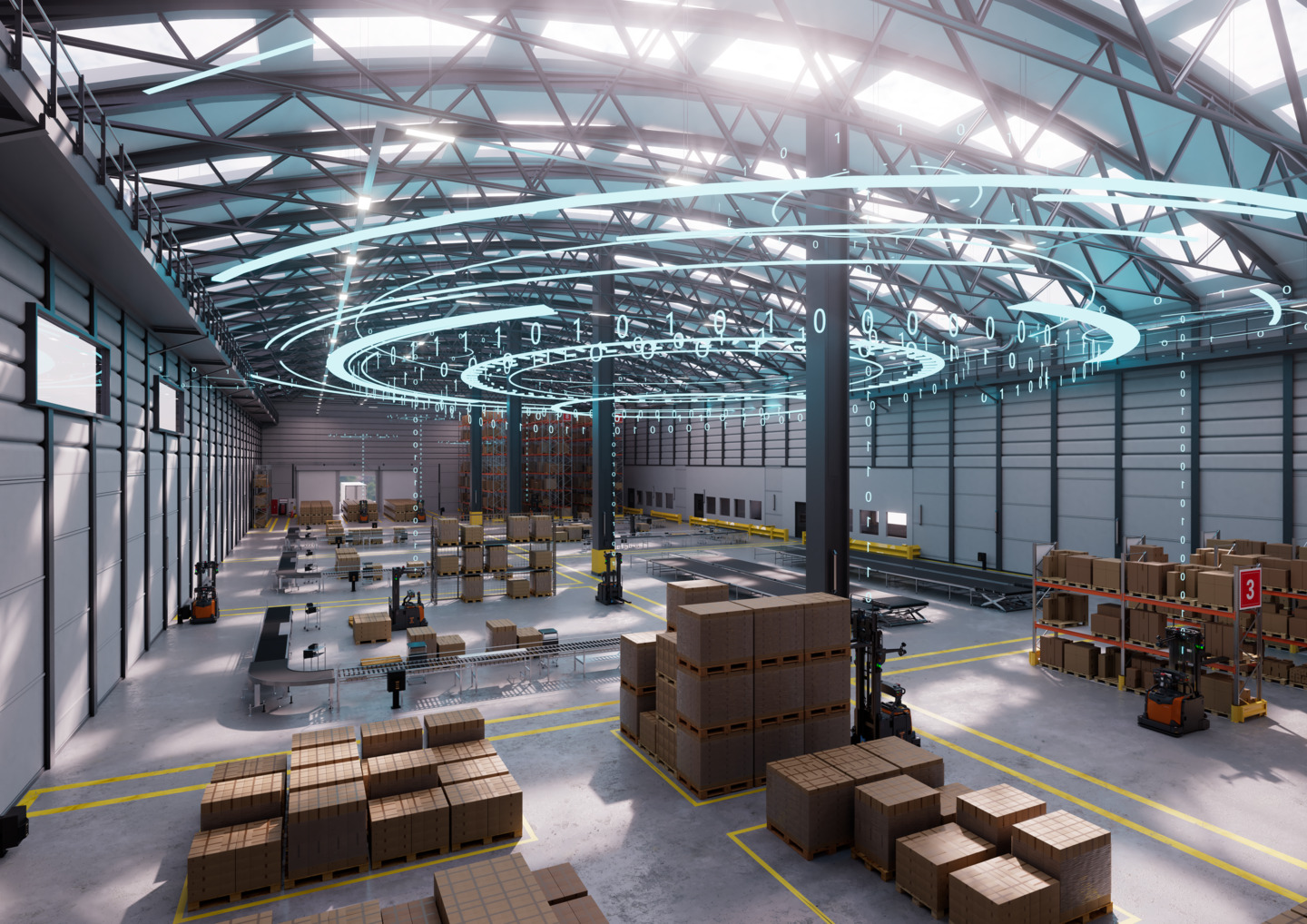
As warehouses become increasingly automated, connected and data-driven, conversations about the future of intralogistics often focus on technology. From autonomous mobile robots and AI-powered warehouse management systems to connected forklift trucks and predictive analytics, innovation is transforming how goods move through the supply chain.
However, while technology continues to evolve at pace, people remain the foundation of successful warehouse operations. The challenge for logistics leaders is no longer simply recruiting enough employees – its ensuring today’s workforce has the skills, motivation and career opportunities needed to thrive in tomorrow’s warehouse.
Attracting and retaining skilled employees continues to be a significant challenge across the logistics sector. High staff turnover and widening skills gaps all place pressure on operations, making workforce development a strategic priority rather than simply an HR initiative.
Businesses that invest in their people are finding themselves better positioned to improve productivity, increase employee retention and successfully adopt new technologies. Importantly, automation can play a role in this too. By improving removing repetitive and low-value tasks and creating safer, more engaging working environments, automation can support sustainable growth while helping businesses create better roles and new career opportunities for their people.
Futureproofing the workforce therefore requires more than occasional training courses; it demands a long-term strategy that develops skills, creates opportunities and supports employee wellbeing – with technology and people working together.
Building careers
One of the most effective ways to retain talented employees is by demonstrating that logistics offers genuine long-term career opportunities and a positive working environment.
As warehouse technology evolves, so too does the range of roles available within the sector. Automation can remove some of the more mundane and repetitive tasks from employees’ day-to-day responsibilities, allowing them to focus on higher-value activities such as problem-solving, process improvement, team leadership and technology management.
This creates opportunities to develop career pathways that allow employees to progress from warehouse operator to team leader, warehouse management system administrator, continuous improvement specialist or operations manager. As automation becomes more prevalent, new opportunities can also emerge in areas such as AGV supervision, systems management, data analysis and technical support.
Internal certification programmes, leadership development initiatives and technical qualifications can provide employees with clear milestones for progression, while reskilling existing employees allows businesses to retain valuable operational knowledge and experience.
When people can see how their role can evolve alongside the business, they are more likely to remain engaged, motivated and committed to the organisation.
Creating a workplace people want to stay in
Automation can contribute to creating a workplace where people want to stay. By taking on repetitive, physically demanding or lower-value tasks, automated technology can help reduce fatigue and allow employees to focus on work that makes greater use of their skills and experience. Automation can also help create safer and often calmer working environments by reducing manual handling and improving the predictability and consistency of certain warehouse processes.
Alongside technology, many organisations are introducing more flexible approaches to shift management, using rotating shift patterns to reduce fatigue while offering greater flexibility for administrative and planning roles where possible.
Recognition programmes that reward improvements in productivity, quality and safety can also help reinforce positive behaviours while ensuring employees feel valued. Investment in ergonomic equipment, workplace wellbeing initiatives and mental health support further contributes to healthier, more engaged teams.
Employee engagement is equally important. Regular feedback sessions, continuous improvement initiatives and suggestion schemes allow employees to contribute ideas that improve warehouse performance while strengthening their connection to the business. Encouraging collaboration across departments also helps build a stronger workplace culture and develops a broader understanding of the business that employees belong to.
Ultimately, creating a workplace people want to stay in means combining the right technology with the right culture – using automation not simply to improve efficiency, but to improve the employee experience too.
Continuous learning for a rapidly changing industry
As warehouse technology evolves, learning can no longer be viewed as something that happens only during employee induction.
Forward-thinking businesses are embedding continuous learning into everyday operations through digital training platforms, online learning modules and practical hands-on experience.
Many organisations are also adopting simulated training environments and digital twins, enabling employees to practise operating new systems and equipment before working in live environments. This approach builds confidence, improves safety and accelerates the adoption of new technologies.
Mentoring programmes continue to play an important role, pairing experienced operators with newer colleagues to transfer valuable operational knowledge. Cross-functional job rotations are also becoming increasingly popular, helping employees develop a broader range of skills while improving workforce flexibility.
As automation changes the nature of warehouse roles, continuous learning becomes even more important. Providing employees with opportunities to develop technical, analytical and leadership skills not only support the successful adoption of new technology but also gives people the tools to progress into new roles and build longer-term careers within the organisation.
Preparing the workforce for automation
Perhaps the biggest misconception surrounding warehouse automation is that it reduces the need for people. In reality, automation is changing the nature of warehouse jobs rather than eliminating them.
As autonomous vehicles, robotics and intelligent fleet management systems become more common, demand is growing for employees with technical, analytical and systems management skills.
Many organisations are therefore investing in reskilling programmes that enable existing employees to transition into new roles, such as automated guided vehicle (AGV) supervisors, warehouse systems specialists, control room operators or energy management coordinators. By developing existing talent, businesses retain operational knowledge while creating exciting career opportunities that support long-term employee retention.
The warehouse of the future will still be powered by people
The most successful businesses will not view automation and workforce development as separate investments. Instead, they will use technology to create more efficient, safer and engaging workplaces, while investing in the skills and career development needed to help their people progress alongside it.
Businesses that combine investment in automation with equal investment in workforce development will be best placed to overcome future skills shortages, improve operational performance and build resilient supply chains. The warehouse of the future will undoubtedly be smarter and more connected – but its greatest competitive advantage will remain a skilled, engaged and adaptable workforce, equipped to make the most of the technology around them.
Transport & Logistics Magazine – Driving The Industry Forward