


Working with a logistics solutions provider with convenient access to maritime and inland ports in the United States cuts transportation costs, accelerates delivery and reduces greenhouse gas emissions.
It enables you to overcome unexpected supply chain challenges, bypassing bottlenecks through adaptive transloading, multimodal flexibility and dynamic rerouting. Here are the top five logistics companies near major U.S. ports.
Crown LSP Group
Crown LSP Group is the top logistics company near major U.S. ports in the Southeast. Based in Rocky Mount, North Carolina, this premier distribution solutions company sits within optimal reach of the ports of Virginia, Wilmington, Greer and Savannah. This proximity accelerates container turnaround and reduces drayage costs.
Operating transloading facilities across Virginia, North Carolina, South Carolina and Georgia, this family-owned business brings deep expertise in port and intermodal operations while prioritizing long-term partnerships over transactional relationships. Its brokerage services extend well beyond port-to-warehouse drayage. The majority of freight brokerage operations focus on over-the-road truckload freight, connecting shippers with reliable capacity across regional and national lanes.
Key Features
- Integrated full-service 3PL: The company combines asset-based carrier operations with warehousing and value-added services from container arrival through final delivery.
- Real-time GPS tracking: A warehouse management system with customer portals delivers inventory transparency and supply chain visibility.
- Flexible transportation: Crown LSP Group operates an in-house fleet and partners with over 5,000 qualified trucking companies.
O’Neill Logistics
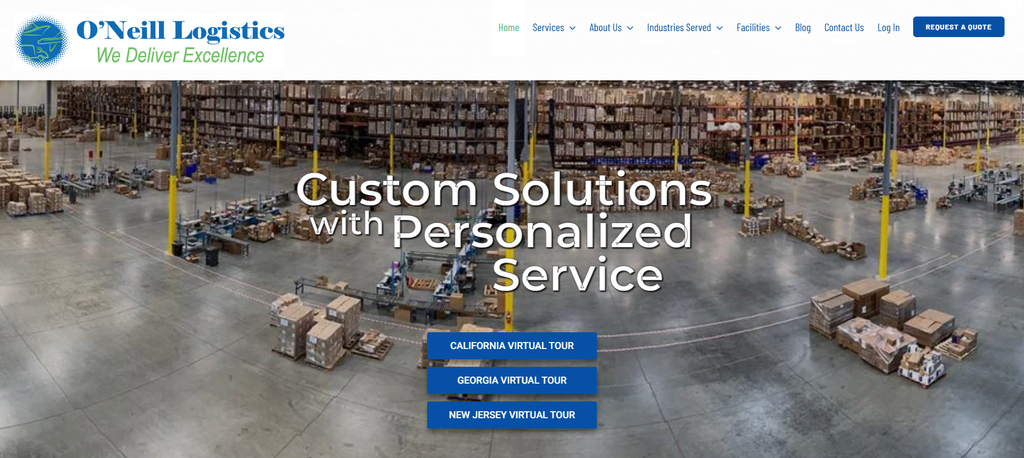
O’Neill Logistics has built a strong reputation as a 3PL provider handling critical drayage and distribution needs across both coasts. Facilities are strategically positioned near the ports of New York and New Jersey, Savannah, Los Angeles and Long Beach. The company’s private, family-owned structure allows customized solutions and direct decision-making.
Excelling in e-commerce fulfillment, O’Neill Logistics offers native API integrations with leading platforms including Shopify, Magento, UPS, FedEx and NAVAR. It integrates systems and launches operations in under 60 days, and its combination of strategically located facilities with advanced system integration supports brands seeking to reduce transit times.
Key Features
- Asset-based model: The company owns over 150 tractors, providing capacity control and reliability.
- Strategic warehousing: With roughly 2 million square feet of warehouse space across facilities near major ports, O’Neill Logistics accelerates cargo turnaround and reduces dwell times.
- High-touch service: The company specializes in handling complex products requiring extra attention and high SKU count management.
GEODIS
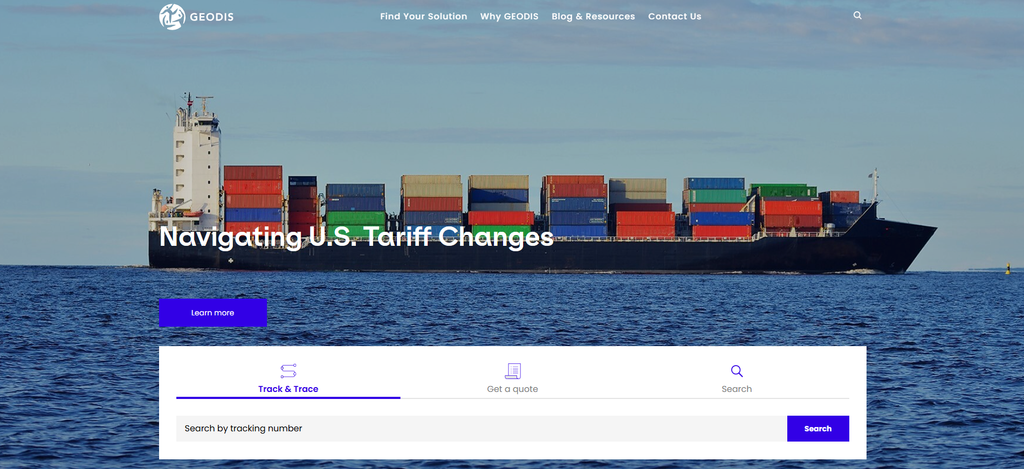
GEODIS operates as a massive global forwarder with a strong domestic footprint. Serving major ports including Los Angeles, Long Beach, New York and New Jersey, Savannah, Houston, Jacksonville and Miami, it offers nationwide drayage services that connect coastal arrivals with inland distribution networks.
Processing containers around the clock, GEODIS handles most shipments in under 24 hours while efficiently managing heavyweight and overweight containers. Its direct port relationships help minimize demurrage fees, and the GEODIS Visibility Platform integrates warehouse, transportation, labor and yard management systems. For companies requiring standardized operating procedures across multiple regions, GEODIS offers contract logistics strength that brings consistency to geographically dispersed operations.
Key Features
- Foreign trade zone (FTZ) capabilities: FTZ-eligible facilities provide customs duty deferral and other trade benefits for international importers.
- 24-hour processing speed: Facilities enable container processing in under 24 hours, with multiple-shift operations running well ahead of industry averages.
- Sustainable logistics leadership: Climate commitments validated by the Science Based Targets initiative in 2025 align with Paris Agreement goals.
idc
idc serves as a leading end-to-end logistics vendor with expertise in America’s largest port complexes. Positioned near the ports of Long Beach, Los Angeles, El Paso and Savannah, it offers specialized drayage services supported by a fleet of over 1,000 GPS-enabled chassis.
Strong relationships with port authorities and terminals allow idc to expedite freight access through peel piles and free flows. With 5 million square feet of warehousing space nationwide, it extends services to Canada and Mexico while maintaining a global agent network. This comprehensive approach combines full-service drayage with warehousing solutions that help customers manage West Coast port-related challenges.
Key Features
- Licensed Class 3 bonded warehouse: Located in Lynwood, California, this facility allows customers to defer duties and taxes until merchandise enters U.S. commerce.
- Account management approach: Program managers average 10 years of industry experience and have developed simplified solutions that address complex needs.
- Advanced facility security: Video surveillance solutions provide continuous monitoring while uniformed security guards staff all warehouse, yard and distribution center gates.
ContainerPort Group
ContainerPort Group specializes in intermodal drayage with deep institutional knowledge. Serving the ports of Baltimore, Los Angeles, Long Beach, New York and New Jersey, Newark and Philadelphia, its established rail and port relationships support a synchronized planning approach for time-sensitive imports and exports.
ContainerPort Group operates a nationwide trucking network built on strong owner-operator relationships. It guarantees on-time payment and structures routes to get drivers home nightly or weekly. The company balances technology-enhanced execution with experienced human support.
Key Features
- Strategic terminal network: The company owns and operates more than 20 terminals at key rail hubs and ports.
- People-first culture: Personalized service with dedicated local support at every terminal ensures customers work with teams who understand regional nuances.
- Technology-enhanced execution: Digital drayage solutions combined with experienced human support balance automation efficiency with relationship-based problem-solving.
Leading Top Logistics Companies at a Glance
Learn about the foundation years of these leading logistics service providers and the primary industries they serve.
| Company | Year Founded | Industries Served |
| Crown LSP Group | 1987 | AgricultureAutomotiveConsumer packaged goodsFood and beverageElectronicsHealthcarePharmaceuticalRetail |
| O’Neill Logistics | 2012 | ApparelConsumer goodsE-commerceFood and beverageHome goodsRetail distribution |
| GEODIS | 1904 | AerospaceAutomotiveDefenseFast-moving consumer goodsHealthcareHigh-techIndustrialLuxuryRetail |
| idc | 2014 | Consumer electronicsHealthcareIndustrial goods |
| ContainerPort Group | 1971 | AgricultureAutomotiveChemical manufacturingFood and beverageRetail |
Criteria for Choosing These Logistics Companies Near Major U.S. Ports
These logistics service providers maintain facilities strategically positioned near select American maritime and inland ports, reducing transit times and transportation costs. Each provider values technology to increase supply chain visibility and simplify cargo tracking. Their optimized capabilities serve a wide range of industries, from automotive to food and beverage to healthcare to retail.
Frequently Asked Questions
Common questions about port logistics providers include the following:
Q: What is the difference between drayage and over-the-road freight?
A: The main difference between drayage and over-the-road freight is distance. Drayage refers to the short-distance transport of shipping containers, while over-the-road freight is long-distance transportation across regions and states.
Q: How do port-centric logistics companies handle unexpected supply chain disruptions?
A: Port-centric logistics companies handle unexpected supply chain disruptions by shifting warehousing, transloading and distribution directly to port-adjacent facilities. This strategy helps minimize inland transit layers, rapidly rerouting cargo and ensuring a smoother flow of goods.
Q: What services do logistics companies near U.S. ports typically offer?
A: Logistics companies near U.S. ports typically offer warehousing, drayage and freight brokerage services. They also provide value-added supply chain management solutions, including transloading, cross-loading, palletization, kitting and assembly, labeling and packaging, inventory management and reverse logistics.
Partner With a Top Logistics Company
Selecting the right distribution solutions provider can improve supply chain performance and reduce landed costs. Work with a logistics company that maintains strategic locations near your preferred American ports. Review the solutions each featured business provides to identify the partner best aligned with your operational requirements.
Transport & Logistics Magazine – Driving The Industry Forward