



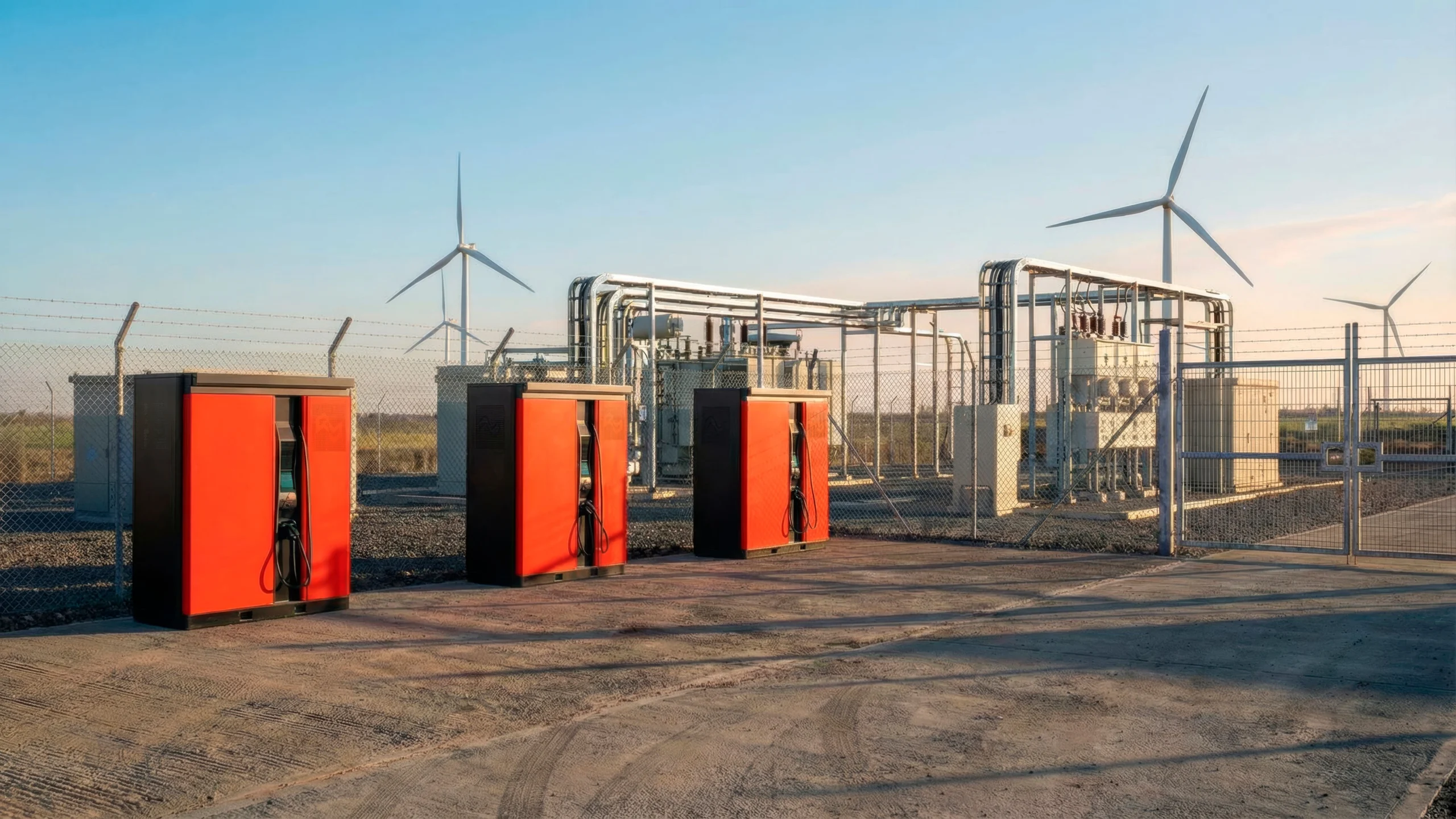
Much of the discussion around fleet electrification assumes that grid capacity will expand in line with demand. In core network areas, that may hold, but at the edge of the grid it does not.
For mission-critical fleets, that distinction shows up in day-to-day operations. Blue-light services, utilities, defence and high-utilisation logistics operate with no margin for delay. If a vehicle is not charged, it is unavailable, and in these environments downtime has immediate consequences.
Electrification changes how that risk is felt. Instead of relying on a distributed fuel network, energy dependency becomes concentrated at specific sites – depots, operational bases and infrastructure nodes. Many of these sit at the edge of the grid, where capacity is already constrained and reinforcement timelines can run into years.
At the same time, demand is increasing. Electrification brings a requirement for consistent, high-throughput charging. The result is a straightforward tension, in that more power is needed, more reliably, in the places where it is hardest to provide.
For fleets operating in less constrained parts of the network, this can often be managed through planning and phased upgrades. At the edge of the grid, that approach becomes less dependable.
As a result, the way energy is approached is starting to undergo significant change. Energy independence is moving from a strategic ambition to something more practical.
Generating, storing and managing energy locally allows fleets to reduce exposure to both price volatility and supply constraints. Microgrid architectures introduce a degree of predictability that centralised infrastructure on its own often cannot provide.
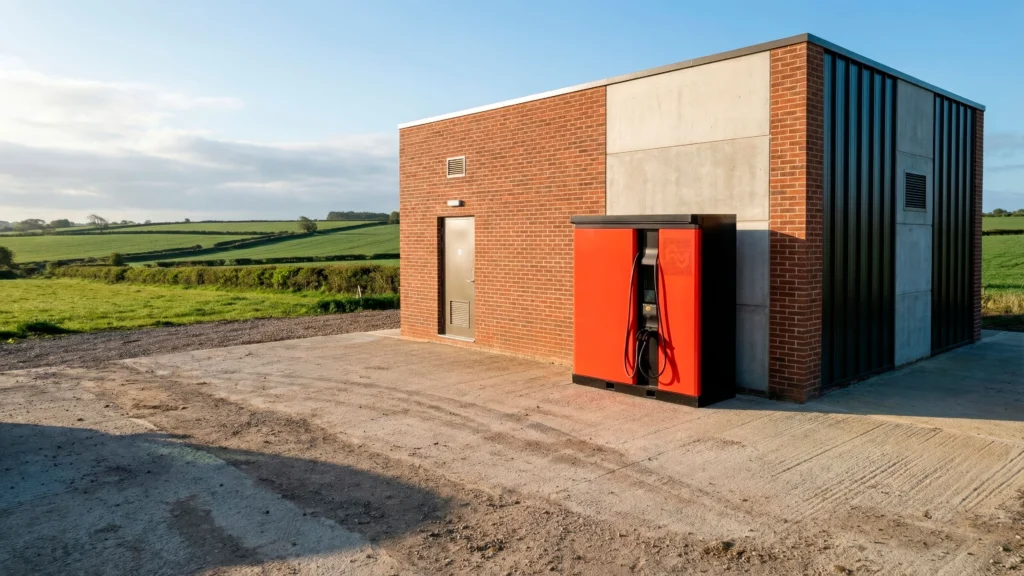
Combined with battery-integrated DC charging, this becomes workable in real terms. Energy can be drawn when it is available or cost-effective, stored on-site, and then deployed at high power when vehicles need it. Even with a constrained grid connection, charging performance can remain consistent.
Operationally, that means more reliable vehicle turnaround and greater control over energy as a core input, rather than something fleets are exposed to.
It also changes how charging infrastructure is viewed. At the edge of the grid, it is less useful to think of it as a fixed asset waiting on reinforcement. It is better understood as an operational capability – deployable, flexible and built around real-world constraints.
The energy transition is often framed in terms of long-term targets and system-wide change. For critical fleets operating at the edge of the grid, vehicles need to be ready when required, and operations need to continue under pressure.
Fleets that take control of their energy environment will be better positioned to manage volatility and constraint as electrification progresses.

By Philip Clarke, CEO and Founder of TUAL
Transport & Logistics Magazine – Driving The Industry Forward