

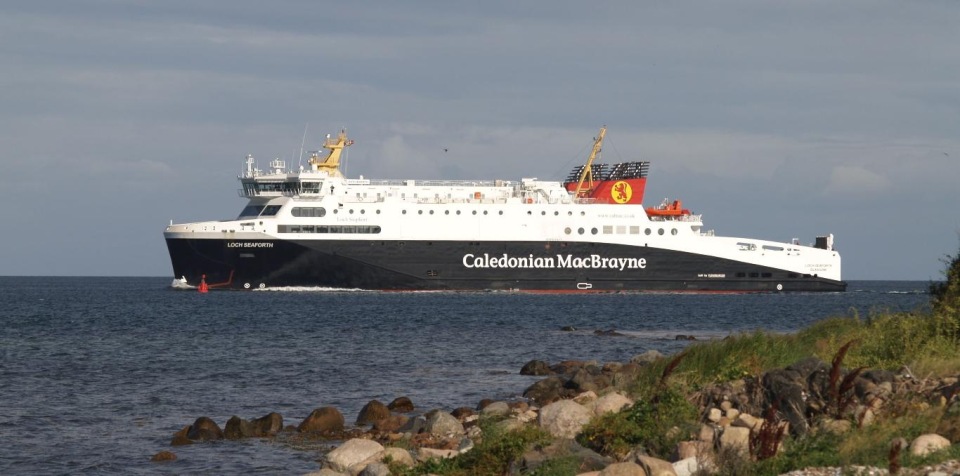
As part of its Corporate Plan (2025-2031), CalMac has been working to improve reliability, resiliency, accessibility, integration, and sustainability across ferry services.
The UK’s largest ferry operator, Caledonian MacBrayne (also known as CalMac Ferries) operates award-winning ferry services across 30 routes and into 55 ports and harbours. Delivering both everyday lifeline services to west coast communities and for tourism purposes, CalMac operated an astounding 161,013 sailings over the course of 2025 (accounting for 5m passengers, 1.4m cars, and 81,995 commercial vehicles), with contractual reliability (98.5%) and punctuality (99.3%) levels that put many transport services to shame.
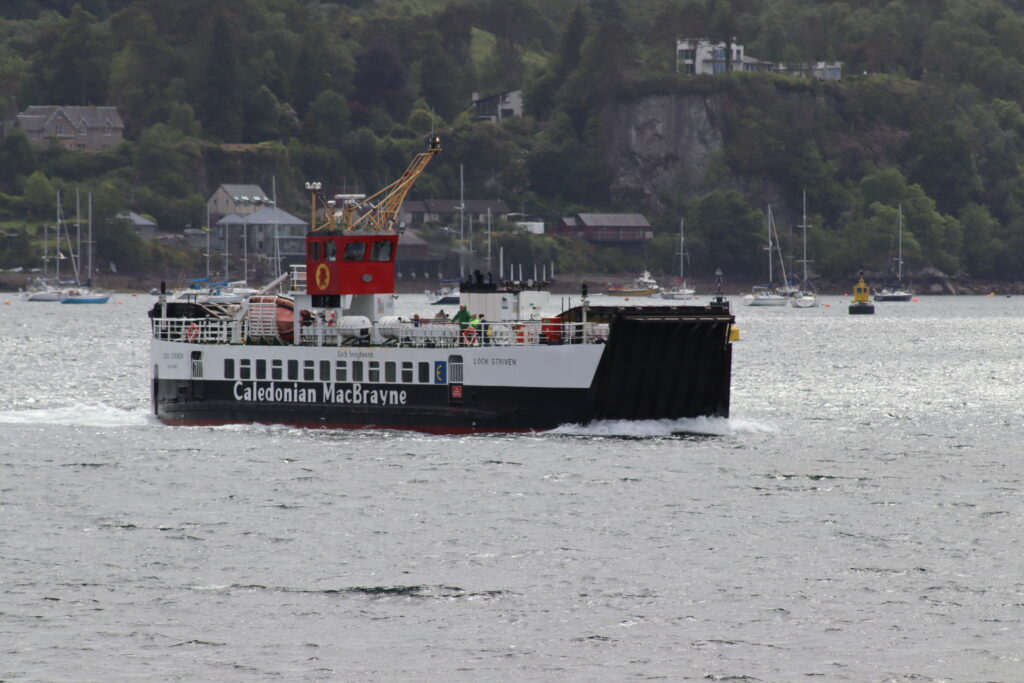
Taking a glance at the fleet, CalMac currently has a car and passenger fleet of 36 ferries, following an ongoing cycle of fleet replacement and expansion. Recent investments into the fleet include the addition of MV Glen Sannox (January 2025), MV Isle of Islay (March 2026), the pending arrival of MV Loch Indaal later this year, and a further three ferries by early 2027. Furthermore, CalMac has earmarked plans for a further seven small vessels to join the fleet between 2027 and 2029, serving as part of a significant renewal strategy that will see over a third of the organisation’s fleet renewed in the next four years.
Most vessels are beyond their design service life. However, thanks to ongoing renewals, CalMac is moving towards a more modern fleet, which will bring a series of benefits in the form of service reliability, reduced technical issues, and broadly improved sustainability metrics, thus forming a core part of the organisation’s environmental commitments. This runs alongside the firm’s efforts to digitalise (particularly via the new CalMac app), transition to alternative fuels and electrification, and efforts to minimise the impact on marine environments via the CalMac Marine Awareness Programme and work in partnership with ORCA, Joint Nature Conservation Committee (JNCC), and the Royal Society for the Protection of Birds (RSPB).
Homing in a little on the transition to alternative fuels, CalMac’s fleet currently includes three vessels with the ability to combine diesel electric and lithium-ion battery power. These have not operated by battery power since 2024. CO2 reductions are expected as new vessels enter the fleet, including an expected five major and ten small vessels over the course of the next five years.
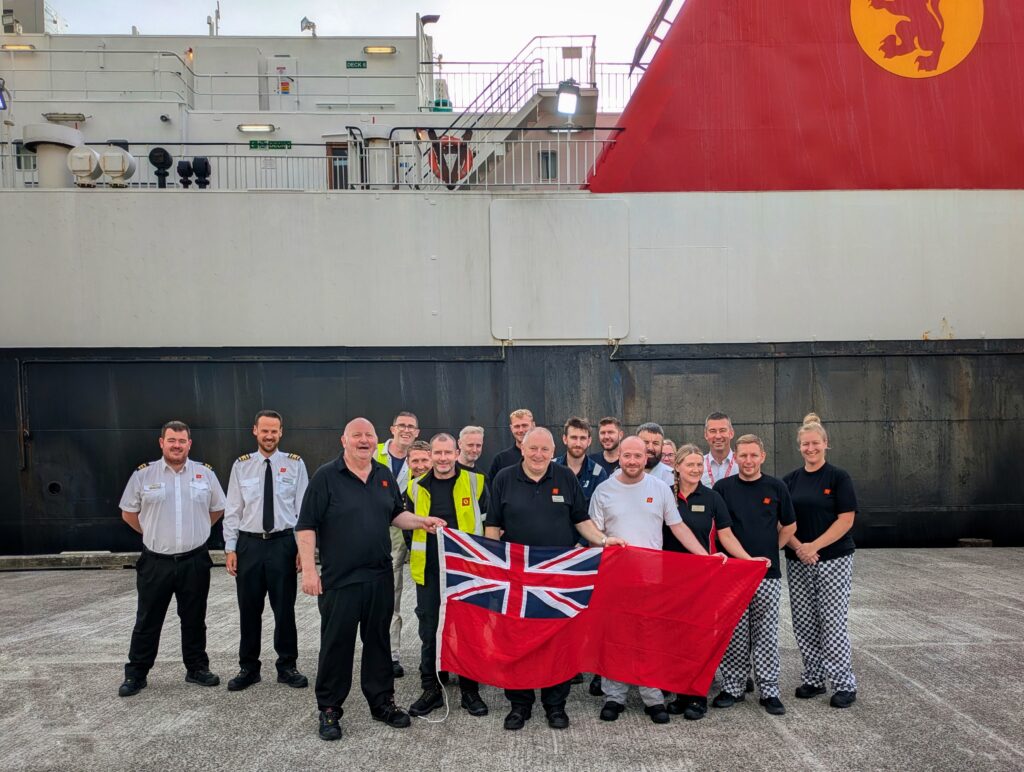
We spoke with Louis de Wolff, Fleet Management Director for CalMac, who gave further insight into the firm’s efforts to tackle its carbon footprint and CalMac’s ongoing fleet modernisations programme:
“Over the next five years, we will welcome five major and 10 small vessels into our network which will be more sustainable and efficient than much of our current fleet. Our first seven new smaller vessels will take zero-emission travel from concept to reality, with the ability to operate solely on battery power during daytime operations. Overnight recharging will be facilitated through strategically located shore charging stations at ports such as Colintraive, Raasay and Fionnphort.
“Two new large vessels, MVs Glen Sannox and Glen Rosa, use Liquefied Natural Gas (LNG) which will reduce harmful emissions. We’re working closely with Caledonian Maritime Assets Limited, responsible for building and procuring our vessels, to support the introduction of appropriate LNG infrastructure. is in place to make.
“MV Isle of Islay joined the fleet earlier this year and this, along with a further three vessels currently being built, represent a significant advancement in our commitment to sustainability. These vessels will use Marine Gas Oil (MGO) and diesel-electrical propulsion, have optimised hull designs engineered for lower emissions.”
Aside from the sustainability metrics, investment into the fleet also underpins CalMac’s commitments to service reliability, quality, and punctuality, with the firm going to great efforts to build resilience and high standards into its operational model. Along with significant enhancements in the firm’s maintenance strategy, this also includes the establishment of an Enhanced Engagement Model, including the creation of six newly defined regions (led by their own Area Managers and Deputy Area Managers) to integrate better with local community needs and allow a vastly enhanced level of day-to-day responsiveness to emerging issues.
Furthermore, a programme of deck space optimisation has also been initiated as part of the organisation’s drive to work towards a more accurate capacity management system and address customer needs; this notably includes mezzanine deck deployment optimisation and a review of terms and conditions around block bookings.
On the reliability front, CalMac has been seeking to instill flexibility into every element of operations while prioritising preventative maintenance as a means of ensuring high levels of operational uptime. Fiona offered further insight into the improvements being made on the maintenance front, and specifically how these changes will impact service resilience and the standard of service available to local communities:
“Technical issues across the fleet can be disruptive and sometimes require vessels to be withdrawn from service at short notice. To address this, we have begun building dedicated time into route timetables to allow for routine, proactive maintenance, in line with practices used by other ferry operators. Incorporating this time into regular timetables gives our technical teams and vessel crews the opportunity to carry out essential tasks that cannot be completed while vessels are in service.
“By carrying out maintenance on a regular, preventative basis, we aim to strengthen the reliability and resilience of the fleet, delivering a more dependable service for the communities we serve. We also run a condition assessment program, that allows us to understand where early intervention can prevent future breakdowns, emergent steel work and lengthy disruptions.”
As to what the future holds, CalMac has clear ambitions to raise the bar in terms of safe, reliable, accessible, sustainable, and integrated transport services in line with the latest iteration of the Clyde and Hebrides Ferry Services framework: CHFS3. Further details on future plans are also laid out within the firm’s Corporate Plan 2025-2031 and broken down within its Delivery and Annual Plans to showcase how and where these ambitions can be met. As of writing, CalMac is currently in the process of publishing its April 2026 to March 2027 annual plan, which will give much insight into the firm’s ambitions for this year.
Transport & Logistics Magazine – Driving The Industry Forward