

Custom rigid plastic packaging affects how you manage transportation efficiency and long-term procurement planning as circular economy initiatives impact global supply chains. You may face growing pressure from extended producer responsibility programs that influence how you evaluate injection molding suppliers and material recovery systems.
As your organization works to improve operational performance while reducing your environmental footprint, manufacturers like The Plastek Group can help source packaging solutions designed to support your brand’s logistics objectives. Your sourcing strategies should balance transportation efficiency and compliance requirements without creating unnecessary operational complexity.
- Understand Resin Availability and PCR Supply Volatility
Post-consumer recycled (PCR) resin supply fluctuations can disrupt your sourcing stability because your production plans depend on consistent recycled material availability and pricing. Trade wars can also wreak havoc on your supply chains, as 2025 tariff actions put high levels of income tariffs on items coming into the country.
Regional differences in recycled polypropylene and recycled polyethylene availability can further complicate your custom injection-molded packaging decisions, especially when your suppliers must balance PCR supply and transportation costs. When transportation disruptions delay recycled material shipments, your procurement team may need backup resin sources and more flexible production timelines.
- Prioritize Suppliers With Closed-Loop Manufacturing Capabilities
Closed-loop manufacturing supports circular packaging initiatives by helping you recover materials and improve long-term supply chain sustainability. When suppliers offer capabilities such as regrind integration and recovery-focused production processes, you gain stronger visibility into recycled content usage and material life cycle performance.
Packaging manufacturers like The Plastek Group support custom rigid plastic packaging solutions by prioritizing operational efficiency and sustainable production practices. The company also determines cost savings and manufacturability so your packaging programs can align more effectively with logistics and environmental goals. As the company explains, “If we’re developing new technologies for a project, we focus on improving functionality or reducing costs in accordance with project objectives.”
- Evaluate Packaging Designs for Reverse Logistics Efficiency
Your packaging geometry directly affects cube optimization and return transport costs because inefficient dimensions can reduce pallet density and increase unused shipping space. When you evaluate sourcing strategies, stackability and lightweighting remain critical considerations since they help you maximize warehouse capacity and reduce freight expenses.
Reusable systems designed for custom rigid plastic packaging can also help reduce empty miles by supporting more efficient reverse logistics operations and consistent load configurations during return transport. As your logistics network becomes more circular, reusable packaging can minimize warehouse inefficiencies and lower replacement frequency.
- Assess Material Traceability and Regulatory Compliance
Your regulatory compliance requirements expand as governments increase oversight surrounding recycled-content verification and sustainability reporting for plastic packaging materials. As of August 2025, five states, including California, Washington, New Jersey, Maine and Connecticut, had passed laws requiring PCR content in plastic packaging.
These regulations make digital tracking systems and documentation controls more important, especially when sourcing custom injection-molded packaging across multiple suppliers and distribution regions. Because international shipping lanes often involve different environmental regulations and reporting standards, your logistics teams should evaluate supplier compliance readiness carefully to reduce disruption risks and regulatory requirements exposure.
- Integrate Life Cycle Cost Analysis Into Procurement Decisions
Your lowest-unit-cost sourcing models often fail within circular economy frameworks. They overlook long-term operational expenses tied to transportation efficiency and material recovery. When you evaluate total life cycle performance, factors like transportation costs and waste reduction can affect the long-term economics of custom rigid plastic packaging programs.
The Plastek Group invests in environmental improvements, supporting more sustainable production and resource conservation for future generations. “Our proactive approach to environmental issues includes operating our compressed air via a closed-loop energy management programmable controller and developing innovative designs supporting light-weighting and thin-walling,” the company highlights. These strategies can help you improve packaging efficiency and strengthen long-term circular economy performance across your supply chain.
- Collaborate With Suppliers on Packaging Standardization
Your packaging standardization efforts can simplify transportation and reverse logistics operations by improving pallet consistency and return shipment coordination. Standardized molds and formats also support faster production scaling and easier supplier coordination for custom injection-molded packaging programs.
The Plastek Group provides tailored experiences that support your packaging process from initial design through production management. “With in-house processing and manufacturing, we can help you meet customer demand by offering a complete plastic manufacturing package,” it explained.
“Working with custom molders also lets you set a standard that customers can expect from your products.” Combining engineering expertise with integrated manufacturing capabilities lets your organization maintain greater packaging consistency while improving operational scalability.
- Use Data Analytics to Improve Circular Packaging Procurement
Your predictive analytics tools and digital procurement platforms can give you faster access to supplier performance data and material availability insights. Supply chain analytics also allows your logistics teams to quickly discover bottlenecks and enhance performance throughout your warehouse and distribution operations.
When you evaluate suppliers, transportation data and material recovery analytics can help you measure delivery recyclability performance and long-term operational efficiency more accurately. AI-driven forecasting tools further strengthen your procurement strategy by helping you anticipate resin demand shifts and inventory fluctuations before they create larger production problems.
FAQs on Rigid Injection-Molded Packaging
The following FAQs address common questions about supplier selection, production planning and custom rigid plastic packaging strategies within modern circular supply chains.
Who can design and manufacture custom rigid plastic packaging for your product?
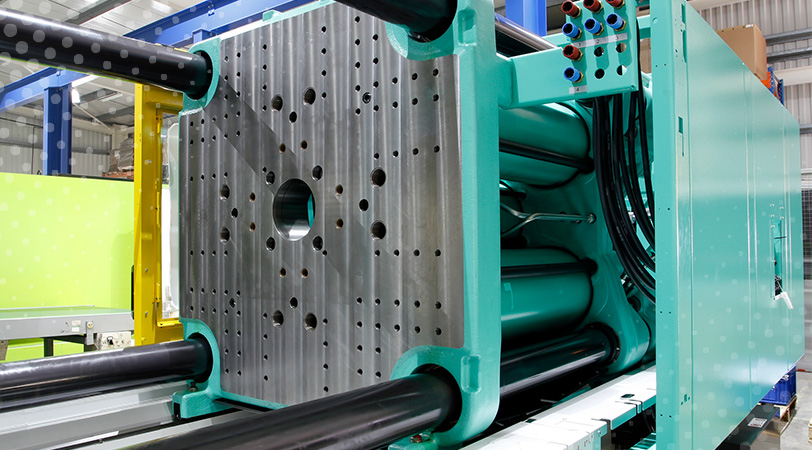
Specialized injection molding companies with in-house engineering and tooling capabilities can design and manufacture your custom rigid plastic packaging. Many suppliers also support material selection, logistics optimization and high-volume production for industries such as food distribution and healthcare packaging.
What information do suppliers need to quote custom injection-molded packaging?
Suppliers will typically request your product dimensions, material requirements and performance specifications before preparing a quote. Many manufacturers also evaluate packaging drawings and sustainability goals to determine tooling complexity and production costs.
How does circular economy sourcing affect rigid packaging costs?
Circular economy sourcing can increase short-term costs because recycled resin sourcing and reverse logistics infrastructure often require additional investment. However, many transportation and logistics organizations reduce long-term operational expenses through reusable systems and reduced dependence on virgin resin markets.
Building Smarter Circular Packaging Supply Chains
Your advanced sourcing strategies can improve transportation efficiency and strengthen long-term sustainability performance. As circular economy requirements change, your investments in custom rigid plastic packaging can support stronger material recovery and more resilient supply chain operations. Transportation and logistics leaders should approach circular packaging procurement as a long-term supply chain optimization initiative rather than a short-term purchasing decision.
Transport & Logistics Magazine – Driving The Industry Forward