

Racking Training: Prepared vs Unprepared. Running a warehouse is not easy. You have staff to manage, operations to keep moving and stock flowing without interruption. With tight margins and urgent deadlines to meet, it’s no surprise that sending employees out on training slips down the priority list.
However, when it comes to your racking, training isn’t an option – it’s a necessity for ensuring your warehouse operations are safe and compliant.
Untrained staff creates chaos
Let’s walk through a realistic scenario. You noticed damage on your racking a few months ago. You’re not sure how long it’s been there, but the racking is working fine, so you decided repairs could wait.
And then your racking fails.
Suddenly, you’re facing a hefty repair bill and a section of your warehouse taken out of action. But then comes a visit from the Health and Safety Executive (HSE).
This is where the questions start:
- Who is your Person Responsible for Racking Safety?
- When was your last Visual Inspection carried out?
- How often are your employees checking for damage or defects?
- When was your last Expert Inspection?
- Can you evidence inspections and repairs?
- Have you provided adequate training?
Every one of these questions becomes harder to answer when training hasn’t taken a central role in your operations.
Why do you need training in a warehouse?
Racking training protects your business – not only by keeping your employees safe but by keeping your business compliant. It goes beyond simply working safely in areas with racking, it’s about understanding how to keep the structure working as intended and meeting your legal obligations.
It is a requirement by the HSE for warehouses to implement a formal inspection process with their racking.
Putting that into practice means equipping anyone working in areas with the knowledge needed to recognise and report racking damage. You then need nominated members of your team to regularly carry out the Visual Inspections. The final step is to appoint someone to take on the role of Person Responsible for Racking Safety (PRRS) who will ensure your business is meeting its racking legal requirements.
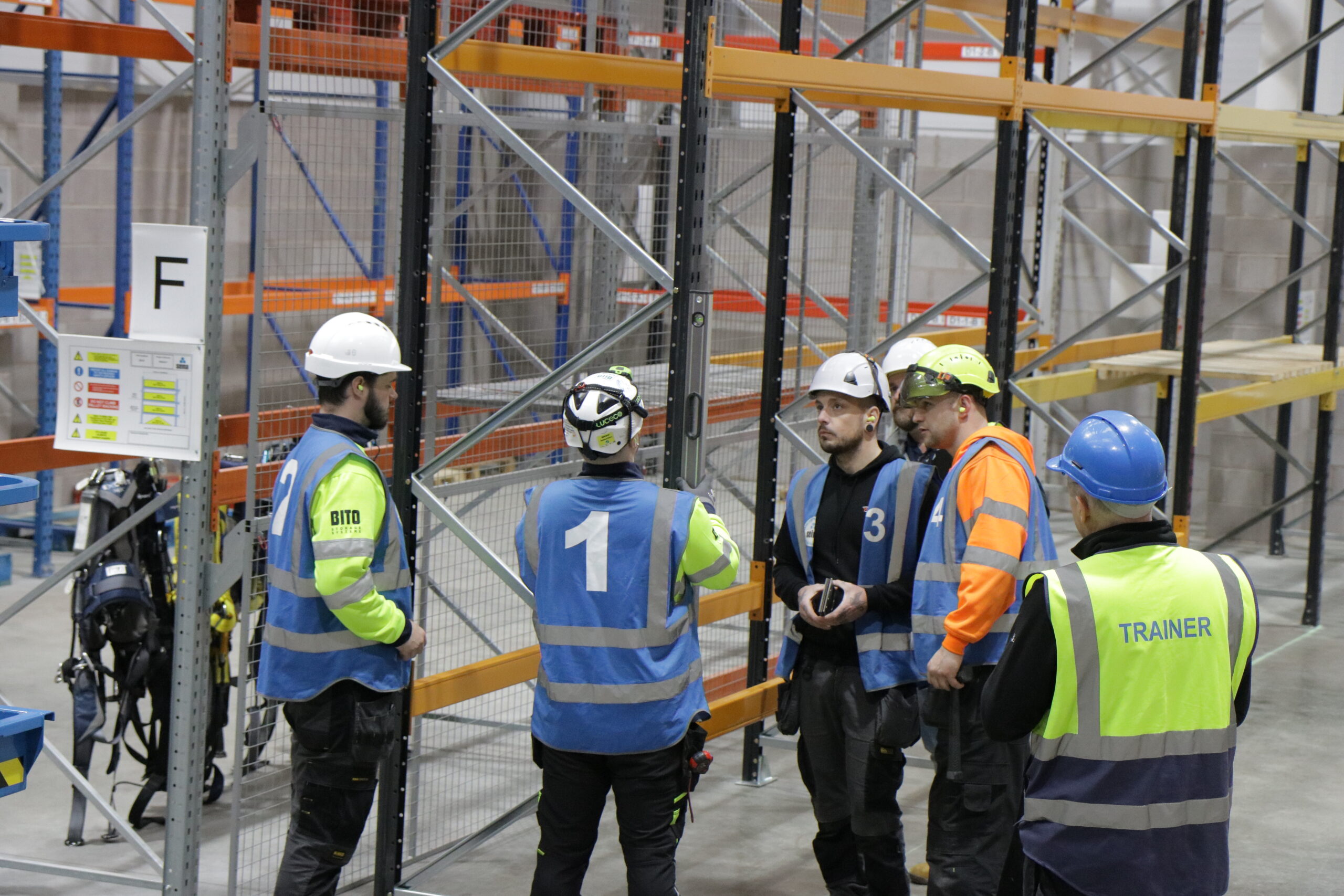
That’s where structured training makes a real difference. For example, a course such as our Rack Safety Awareness course prepares your team to conduct Visual Inspections and take on the role of PRRS. Over the course of one day, delegates learn how to identify and categorise damage, check the structure is loaded correctly, ensure the right corrective actions are taken and understand industry standards.
Trained, confident and secure
Rewinding time – your racking collapses. The HSE inspector arrives.
This time, your PRRS steps forward, fully prepared through SEMA’s Rack Safety Awareness Course. Your frontline staff members have consistently reported damage in a timely manner, and every Visual Inspection has been logged and signed off.
Your PRRS hands over your most recent Expert Inspection traffic-light report, carried out by a SEMA Approved Racking Inspector (SARI), showing that every repair had been actioned and accounted for.
Things happen, let’s be ready
Accidents happen and warehouses are busy. Those are the facts that training cannot change. But proper training means that when something does go wrong, you can demonstrate clearly that you did everything right. In the eyes of the HSE, that makes all the difference.
To ensure your warehouse is prepared, not caught out, explore SEMA’s racking training courses.
Transport & Logistics Magazine – Driving The Industry Forward