


For decades, the word classic has meant more than just age. It has meant character. Memory. Feeling. From the growl of a V8 to the tactile feedback of a metal gear lever, classic cars carry stories and quirks that create lasting emotional attachment.
But as the automotive world races toward electrification, automation and digital uniformity, questions are emerging about whether the cars being built today will ever stir the same emotions as the icons of the past.
According to classic car specialists at Heritage Classic Car Insurance, the issue isn’t whether modern cars will grow old enough to qualify as classics, but whether they will ever feel like classics at all.
When Every Car Starts to Feel the Same
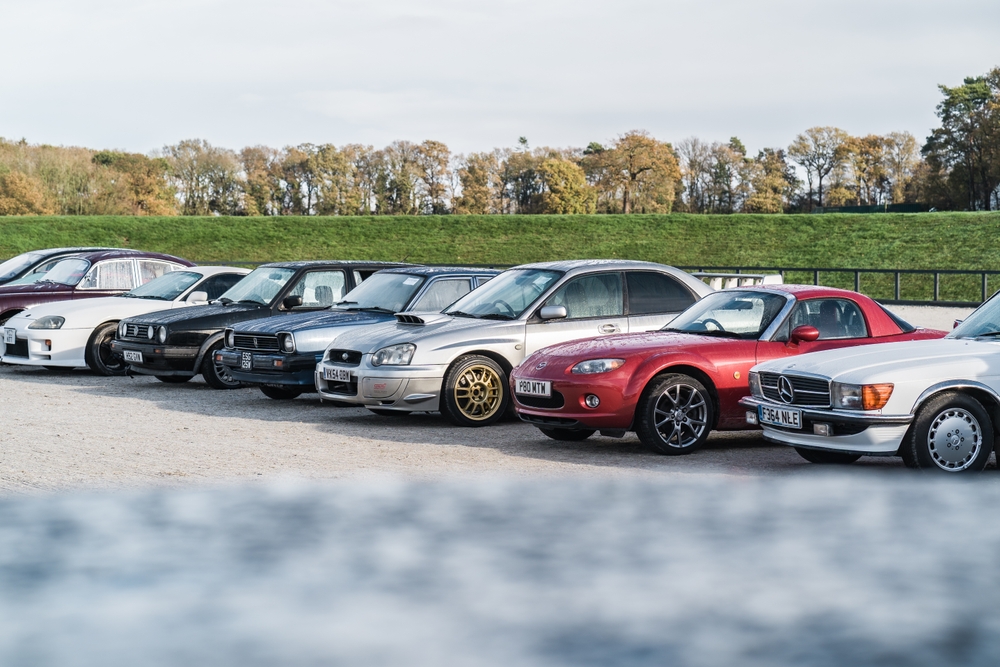
Step into any classic car show and the variety is striking. Long bonnets and chrome grilles sit beside tiny city cars with paper-thin pillars. Engines rumble, whirr or bark to life, each with a distinct sound and personality. That variety in aesthetics, mechanics and feel is part of what makes classic cars memorable.
Now compare that with a modern car park.
Today’s vehicles are safer, cleaner and technologically advanced. But in pursuit of efficiency, aerodynamics and shared platforms, many have begun to look and behave alike. Rounded silhouettes, similar lighting signatures and near-silent powertrains are becoming the norm. Inside, physical controls are disappearing, replaced by touchscreens that could belong to almost any brand. Driving experiences are increasingly filtered through software and driver aids.
That sense of sameness is being noticed by drivers. In a survey of 412 classic car owners conducted by Heritage Classic Car Insurance, 76% said modern cars are “too alike”, while 64% described them as “functional but lacking soul.” More than half labelled modern car design “bland” or “uninspiring.”
Electrification: Impressive Adoption but Emotional Distance
Electric vehicles (EVs) are central to this shift.
Recent data from the Society of Motor Manufacturers and Traders (SMMT) shows battery-electric vehicles accounted for around one in four new car registrations in the UK in 2025. Electrification is clearly accelerating and EVs now form a major share of what’s arriving on British roads.
Yet even as EVs become more common, their emotional impact remains mixed for many drivers. The distinct sounds, scents and mechanical quirks that once defined motoring are replaced by silence, uniformity and digital menus, features that are efficient but often forgettable.
The Missing Ingredient: Emotional Connection
Classic cars are rarely loved because they were perfect. They are loved because they were flawed in memorable ways:
A heavy clutch.
The smell of warm oil.
A choke that had to be coaxed on a cold morning.
These quirks created stories, and stories create emotional attachment.
Many modern cars, by contrast, are engineered to remove friction from the driving experience. They start flawlessly, steer effortlessly and isolate occupants from noise and vibration. For everyday life, that is brilliant. But emotionally, it can feel distant.
That emotional gap is already visible. In Heritage’s survey, 64% of owners said the lack of colour and variety on modern roads makes them feel bored, and 59% said modern cars have lost their individuality. Strikingly, 94% believe manufacturers are losing their distinct brand identities altogether.
Software Doesn’t Age Like Steel and Leather
Part of what makes a classic car special is how it ages. Leather creases. Paint fades. Switches wear smooth. These changes tell the story of time and use, making each surviving vehicle slightly unique.
Modern cars rely increasingly on software, digital displays and integrated systems that may not age in the same way, or may simply become obsolete. A touchscreen doesn’t patina; it dates. A discontinued operating system isn’t charming; it’s inconvenient.
That concern is shared by enthusiasts. Over half of classic car owners (56%) say they prefer vehicles with less reliance on screens and digital technology, valuing tactile materials like wood, leather and metal instead.
Will Any Modern Cars Still Become Classics?
Of course, some will. Limited-run performance models, bold design statements and cars tied to cultural moments will still capture hearts. Emotion hasn’t disappeared from motoring entirely; it is simply becoming rarer.
But the broad middle ground of everyday cars, once the breeding ground for future classics, may not leave the same lasting imprint. Sentiment already leans heavily toward the past. When asked which era produced the best car design, almost half of respondents chose the 1960s, while virtually none selected the 2000s, 2010s or 2020s.
Why This Matters Now
“For most people, a classic car isn’t just something old, it’s something they remember, something they feel,” says Mark Wilkinson, Managing Director at Heritage Classic Car Insurance. “Beyond engineering and technology, classic status is built on emotion, the joy, the memories, the sense of identity. Today’s cars are brilliant machines, but as they become more homogenised and digitally defined, many risk being forgotten rather than cherished.”
This tension, between rapid technological progress and the emotional bonds that define classic status, is one of the most fascinating paradoxes in modern motoring. As the industry looks to the future, the question may not be which cars will survive, but which ones people will care enough to save.
For owners who already cherish vehicles with character and history, specialist classic car insurance helps protect not just a car, but the memories and stories attached to it, please visit for more info: https://www.heritagecarinsurance.co.uk